
Case Studies
Real Numbers From Real Campaigns.
We build outbound acquisition systems for B2B service firms across the globe. The figures below outline performance across 115+ client accounts, mapping out email volume, response rates, and the pipeline value those systems produced.
The Shift That Matters
Most firms stay busy. The winners build consistent demand.
Most service businesses do not have a lead problem. They have a system problem. Outreach is inconsistent, targeting is too loose, and the offer is not framed around the pain buyers already feel. That creates a calendar full of activity without enough qualified conversations. We rebuild that engine from the ground up. Ready to build? Contact our team.
Focus On Qualified Calls
We care about booked conversations with the right decision makers, not inflated lead counts that never turn into revenue.
Controlled Outreach
Instead of waiting on chance referrals, we run a managed outbound system that reaches the exact market you want to win.
Better Clients
When the targeting improves, deal quality improves too. That means larger retainers, stronger fit, and less wasted time.
What The Results Show
The numbers on this page show the same pattern across very different offers. When targeting is sharper, the message gets clearer. When the message gets clearer, reply quality improves. When reply quality improves, pipeline becomes more predictable.
Better Fit Beats More Volume
Some campaigns on this page sent less volume than others, yet still produced strong pipeline because the targeting and angle were tighter. That is usually a sign that segmentation and list quality were handled well from the start.
Reply Rate Matters In Context
A higher reply rate is useful when the replies come from the right buyers. We care about positive intent, not just activity. That is why message-market fit and copywriting matter more than random personalization.
Pipeline Is The Real Output
Email volume, opens, and replies are supporting signals. Pipeline value is the business result that matters most. That is the same logic behind our lead generation work and campaign management process.
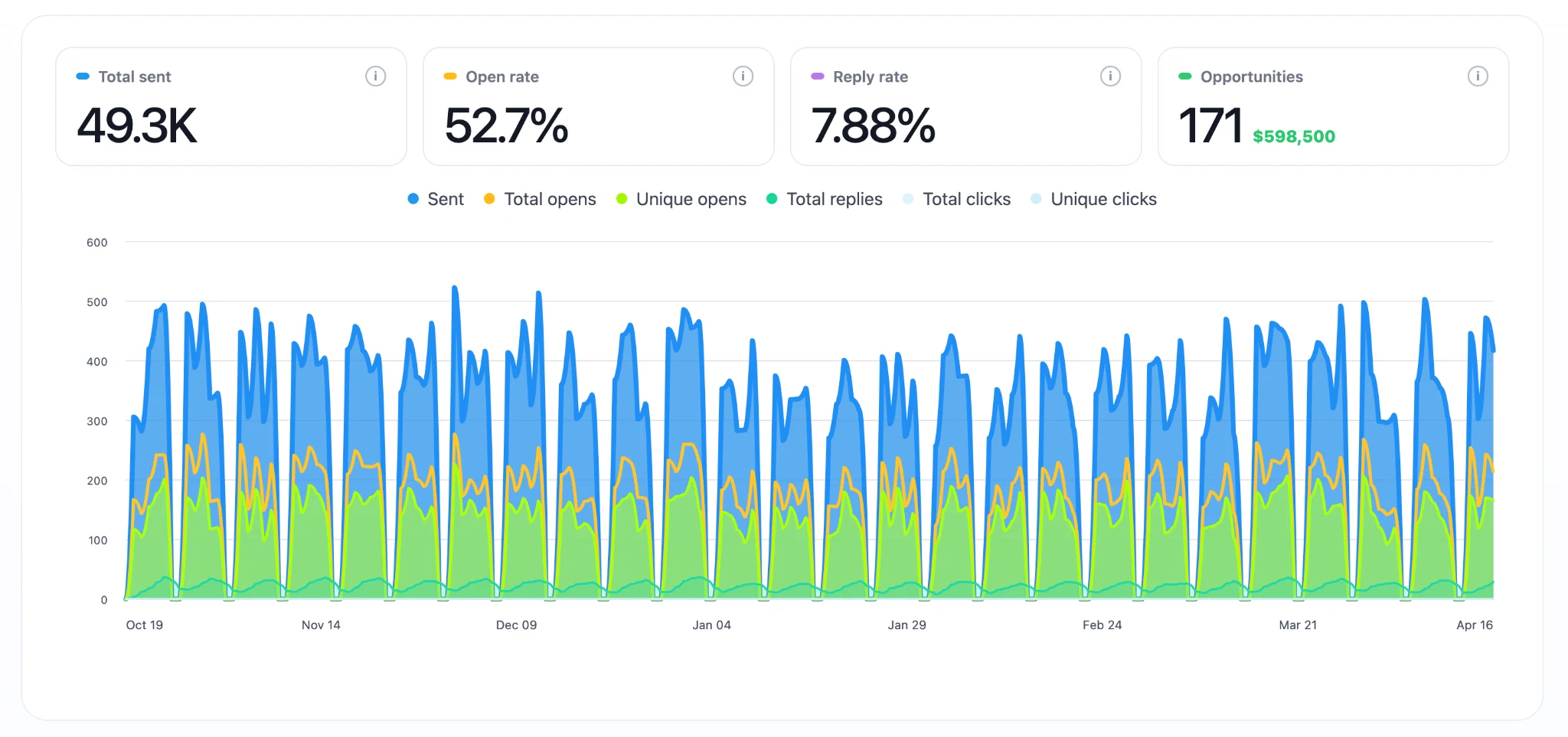
Management Consulting Firm: $598.5K in Pipeline
A mid-market consulting firm in Austin wanted more conversations with founders who were stuck between growth and operational chaos. They had the expertise to solve hiring bottlenecks, process drift, and margin leakage, but their growth still depended too heavily on introductions.
We built the campaign around one idea: leaders do not buy consulting because they want advice, they buy it because waste is getting expensive. The message focused on operational drag, delivery inconsistency, and leadership overload.
Campaign results for Austin consulting outreach
$598,500 in tracked pipeline. Strong positioning plus patient follow-up turned cold outreach into executive-level conversations.
How We Measure Campaign Performance
We track campaign performance in layers so the data stays useful. Each layer tells us something different about campaign health and buying intent.
Emails Sent
This tells us campaign scale and infrastructure usage.
Open And Reply Rates
These help us judge message relevance, inbox placement, and audience fit.
Qualified Opportunities
This shows how many real sales conversations the campaign created.
Pipeline Value
This ties outbound activity back to commercial impact.
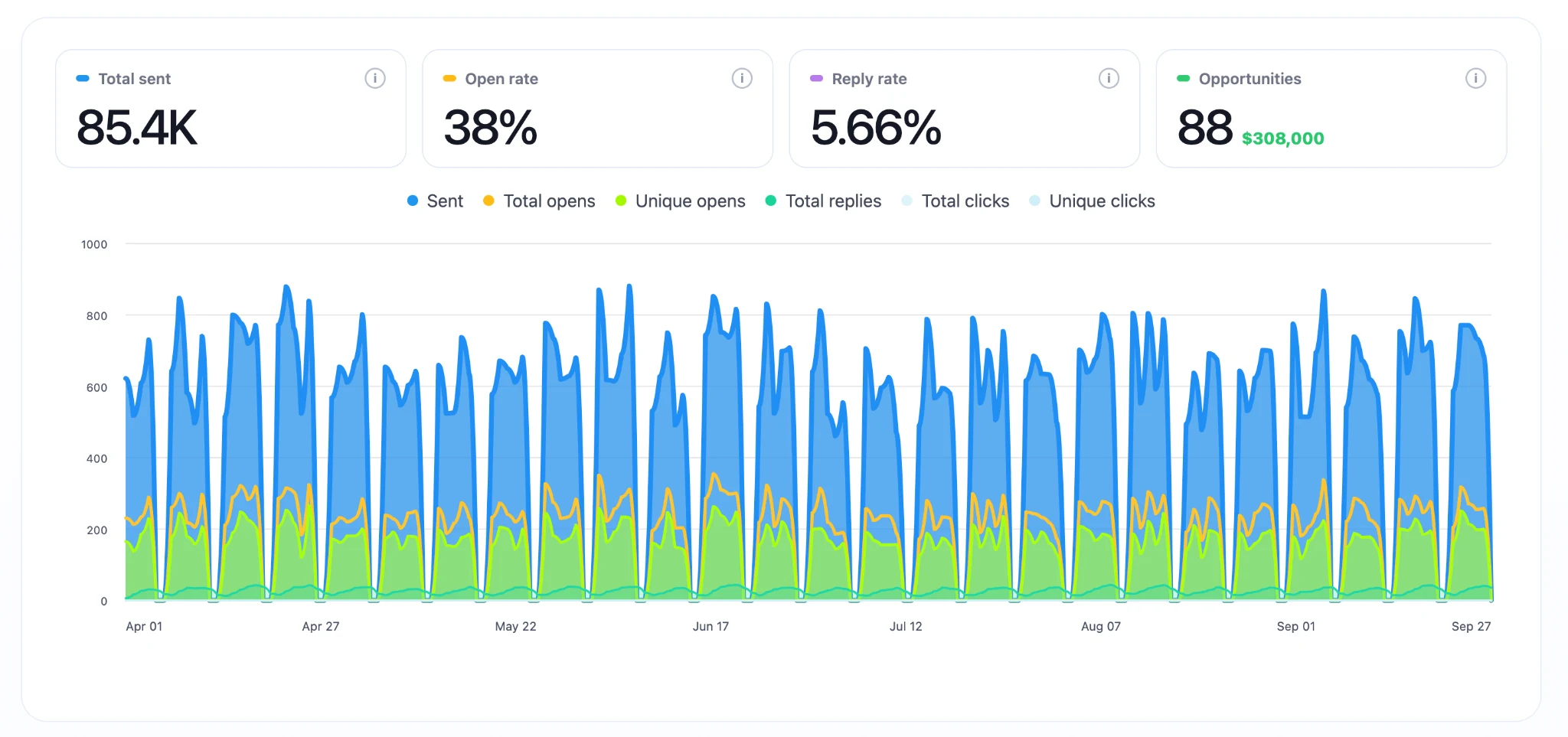
Virtual Assistant Agency: $308K in Pipeline
A virtual assistant agency in Manchester needed to reach founders who were buried under inboxes, scheduling, hiring admin, and client follow-up. Their best-fit buyers absolutely needed help, but they were too overwhelmed to go searching for it.
We kept the message direct and useful. Instead of selling generic assistance, we framed the offer around reclaiming hours, reducing founder bottlenecks, and giving senior operators their focus back.
Campaign results for Manchester virtual assistant outreach
$308,000 in tracked pipeline from targeted outreach. Precision beat brute force.
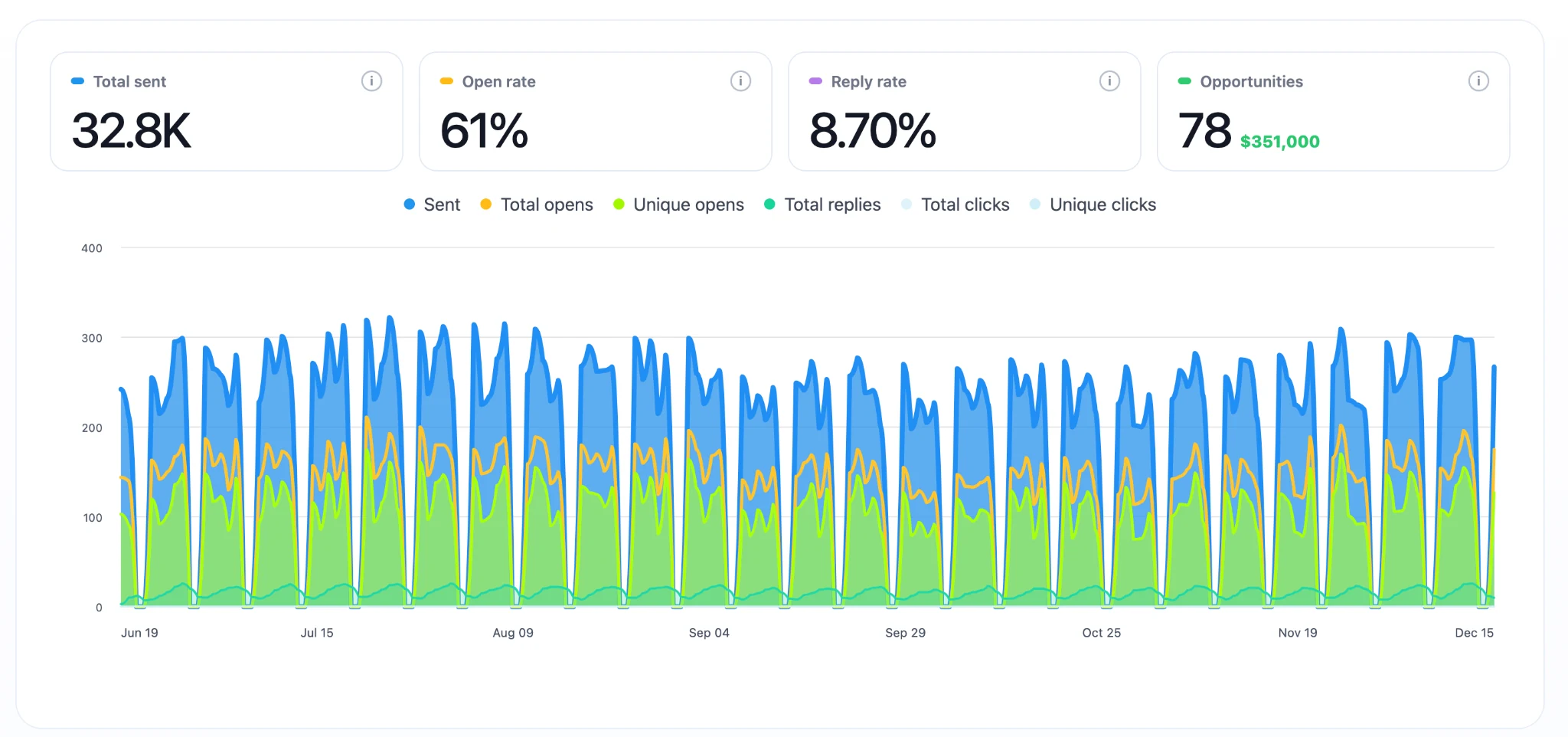
Accounting Partner: $351K in New Pipeline
An accounting group in Calgary had strong retention but weak top-of-funnel generation. They wanted conversations with owner-led firms that needed bookkeeping cleanup, tax planning, and fractional finance support before growth outpaced their internal controls.
The campaign was built around practical urgency: books behind schedule, reporting gaps, and financial decisions being made without visibility. Those are not abstract problems. They cost real money, and buyers responded because the copy spoke to that reality.
Campaign results for Calgary accounting outreach
$351,000 in tracked pipeline. When the pain is operational and measurable, the right financial offer lands fast.
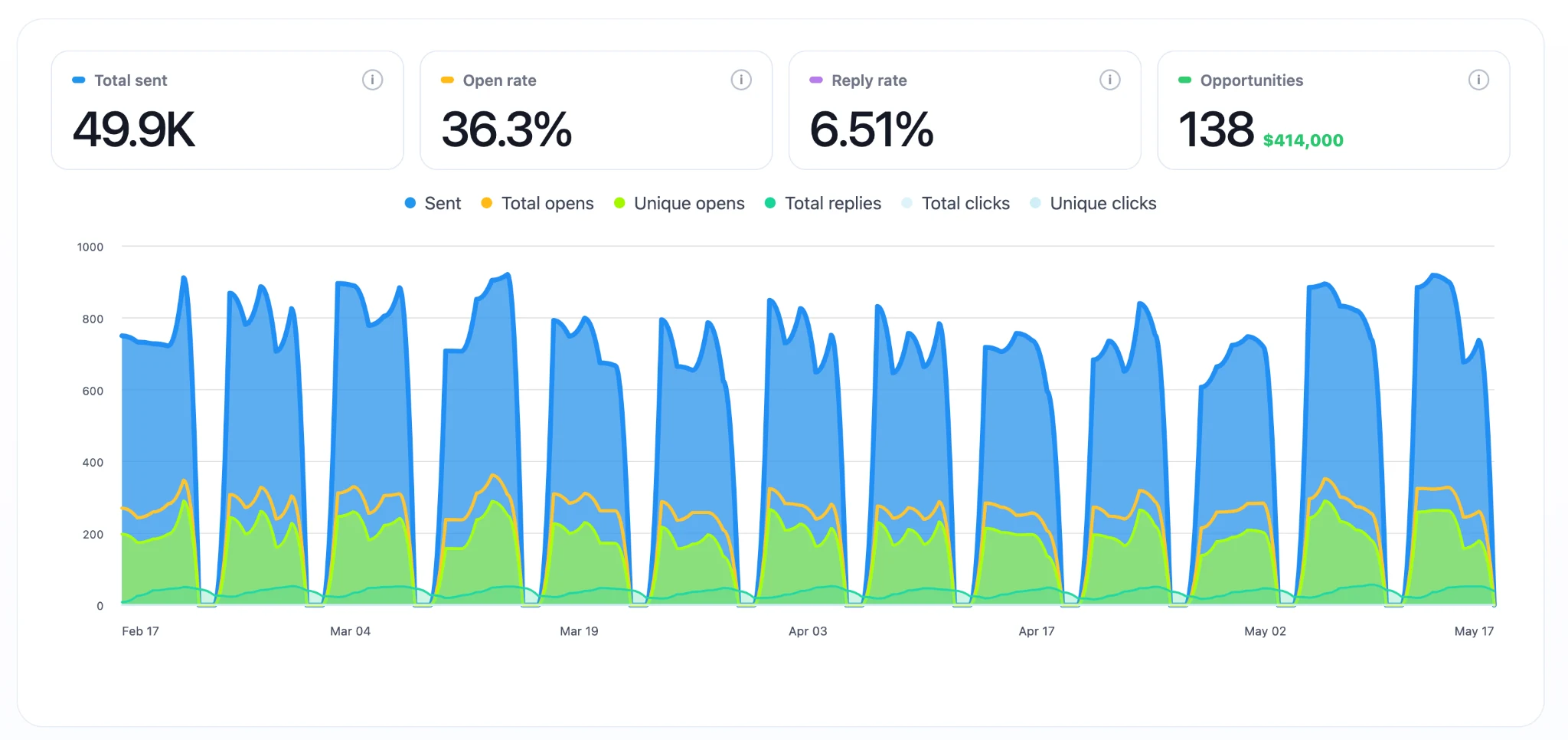
Property Management Group: $414K in Pipeline
A Brisbane-based property management company needed more landlord conversations in a crowded market. Their service quality was solid, but too many local owners still defaulted to agencies they already knew or simply stayed with underperforming managers out of habit.
We focused the campaign on what landlords actually feel: poor tenant communication, late maintenance follow-up, and avoidable vacancy time. The outreach named those frustrations clearly and connected them to a more responsive operating model.
Campaign results for Brisbane property management outreach
$414,000 in tracked pipeline. Specific pain beats broad promises every single time.
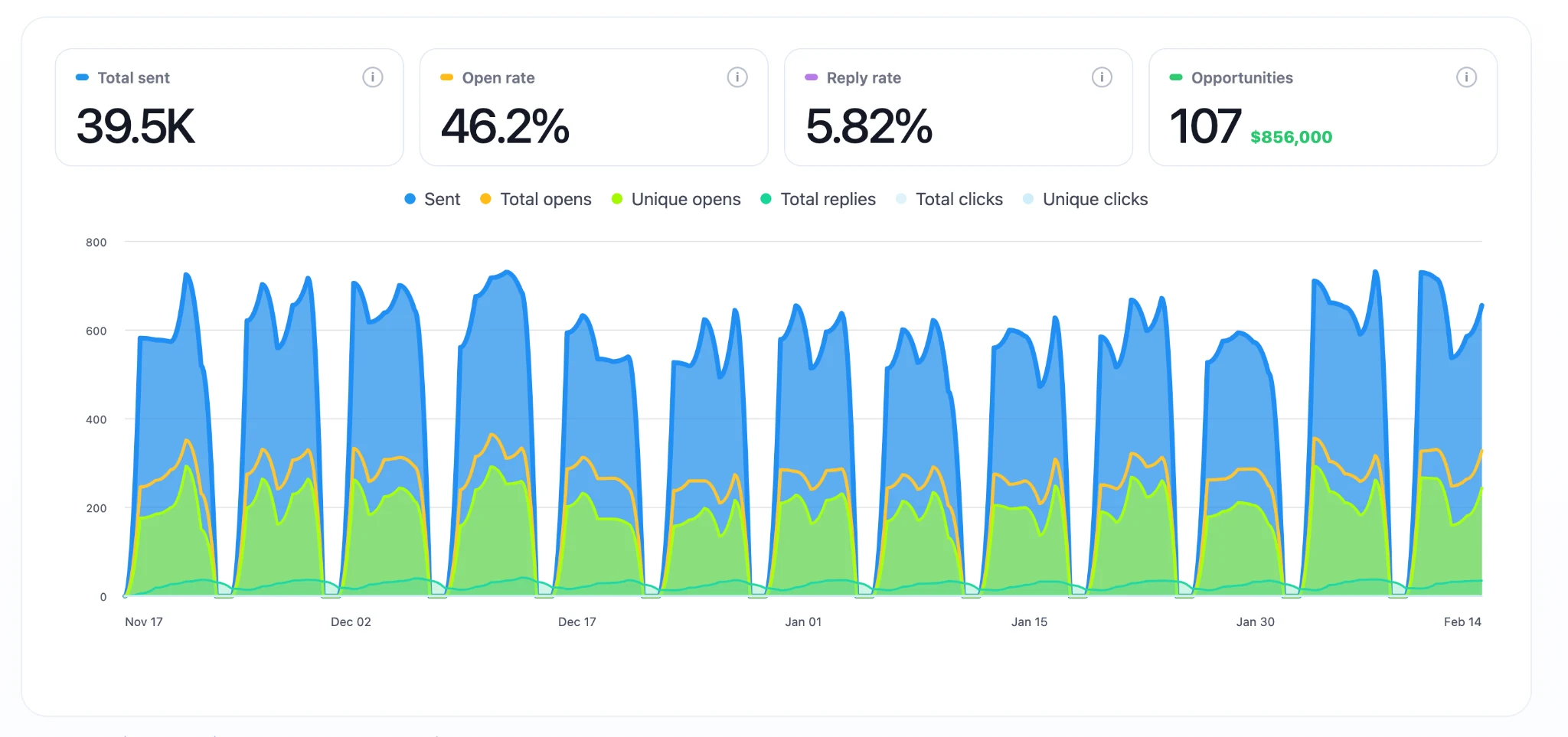
Bookkeeping Company: $856K Pipeline on Steady Volume
A bookkeeping business in Dublin served agencies, consultants, and small operators who had outgrown DIY finance management. They were excellent at cleanup and reporting, but their growth was capped because inbound alone was too unpredictable.
We framed the offer around late reconciliations, cash visibility, reporting delays, and founder distraction. The campaign showed prospects exactly why continuing to manage financial admin in-house was costing them more than outsourcing it.
Campaign results for Dublin bookkeeping outreach
$856,000 in tracked pipeline. Routine services become premium when the market understands the cost of delay.
The 4 Step Architecture
We replace random effort with a system that books real sales conversations.
01. Targeting
We define your ideal client profile, geography, company profile, and buyer role so the campaign starts with the right list.
02. Outreach
We launch structured cold email sequences designed around pain, relevance, and timing instead of generic lead-gen fluff.
03. Booking Calls
We sort positive intent, qualify responses, and move real buyers onto your calendar instead of sending you noise.
04. Improving Conversion
Every campaign produces new data. We use that signal to sharpen positioning, reply handling, and market fit over time.
The Process
We keep the rollout simple, technical, and measurable.
Most clients start with a 90-day pilot. The early phase is infrastructure first. We prepare domains, authentication, deliverability, targeting, and messaging according to our campaign process before the campaign ever goes live.
1. Technical Setup
Days 1 through 21 are focused on domain registration, authentication, inbox setup, and warm-up so campaigns land cleanly.
2. Strategy
While infrastructure warms, we finalize your list logic, positioning, messaging angles, and offer framing.
3. What We Need
We need three simple inputs: business intake, ICP clarity, and your value proposition.
4. Launch & Pipeline
Once the environment is ready, campaigns go live and we manage replies, optimize conversion, and book qualified calls.
Questionnaire
Business intake covering offer, pricing, sales process, and current client profile.
ICP / Persona
Target account details, buyer roles, industries, company size, and geography.
Value Prop
The reason your market should reply now instead of ignoring another generic cold email.
What These Campaigns Had In Common
Different industries performed for different reasons, but the operating discipline stayed the same across all of them.
Clear Targeting
The list matched a real buyer profile instead of a broad guess.
Specific Messaging
The copy named a problem the prospect already understood.
Strong Deliverability
The infrastructure was stable enough to support consistent outreach.
Ongoing Optimization
The system improved as we learned which segments and angles converted best.
How It Worked
Pages That Explain These Results
If you want to understand what drove these campaign outcomes, these pages go deeper into the services, strategy, and market positioning behind them.