
Tools
Best Email Warmup Tools
Warmup tools should be judged by how they support sender health, not by marketing noise.
A warmup tool is only one part of deliverability. It should support healthy ramp-up, but it cannot rescue weak SPF, DKIM, DMARC, bad lists, or reckless sending behavior by itself. For example, if a team launches five new mailboxes on Google Workspace and immediately starts sending high volume to weak data, no warmup tool will make that safe. The next pages from here are usually Cold Email Infrastructure Setup, Email Deliverability Services, and the diagnosis for Email Domain Warmup Issues.
Best Picks
What Good Warmup Tools Usually Help With
The best warmup tools support a safer sending environment. They are useful when they make reputation-building cleaner, easier to monitor, and easier to control.
Mailbox ramp-up
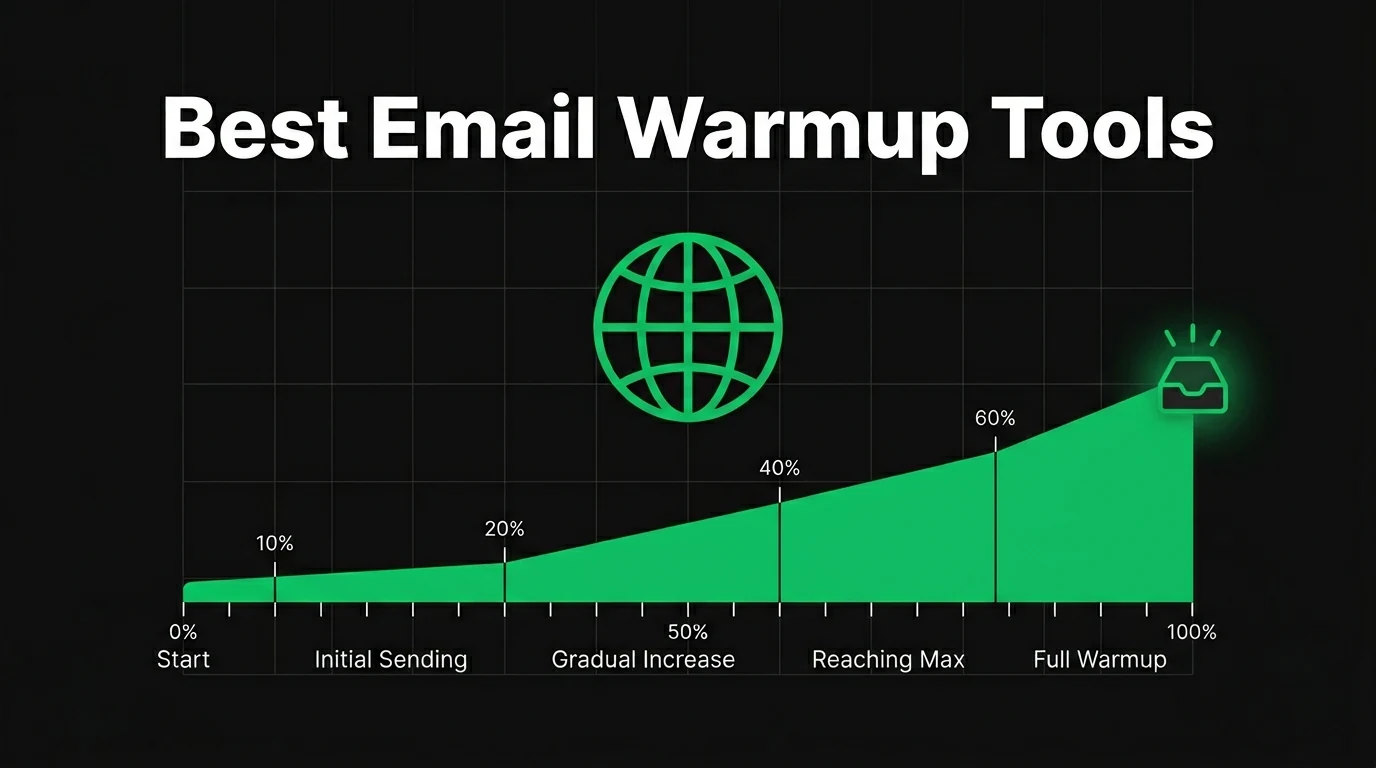
A good warmup tool helps new mailboxes build more natural early activity before real volume begins. For example, it should make the first two or three weeks of mailbox use feel more controlled instead of forcing the team to guess when to scale.
Reputation support
Warmup should support sender reputation and inbox placement, not just create fake dashboard comfort. For example, the tool should fit a real ramp-up plan, not just show activity graphs that never connect back to sending health.
Infrastructure discipline
The best tools fit into a process that already includes SPF, DKIM, DMARC, list hygiene, and responsible sending behavior. For example, warmup is much more useful when the domains and mailboxes were set up correctly from the start.
Decision Criteria
What To Evaluate
Warmup tool decisions should be made around sender health and workflow fit, not just around brand popularity.
Mailbox environment
Check whether the tool fits Google Workspace, Microsoft 365, and the way your team actually launches outbound domains.
Control and visibility
The team should be able to understand what the warmup process is doing and how it fits the broader infrastructure workflow.
Fit with sending behavior
Warmup quality matters more when it supports the actual sending plan instead of existing in a separate, disconnected tool habit.
Stack Logic
Warmup Is Not The Whole Deliverability Plan
A warmup tool should sit inside a broader system that includes domain setup, authentication, mailbox planning, list hygiene, and sensible scaling. If the rest of the system is weak, warmup alone will not carry the channel.
Important reality
Warmup should support good infrastructure. It should not be expected to hide bad infrastructure.
Common Buying Mistakes
Most warmup mistakes happen when teams treat the tool like a deliverability shortcut.
Using warmup to mask bad setup
If SPF, DKIM, DMARC, mailbox planning, or domain separation are weak, the warmup tool is not the real fix.
Scaling too fast anyway
Warmup loses value fast when the team ignores it and pushes unsafe volume immediately after setup.
Ignoring list quality
Bad data still damages sender health even when a warmup tool is active.
Treating warmup like magic
Warmup is support, not rescue. The full deliverability system still needs discipline.
Use Cases
Where Best Email Warmup Tools Gets More Useful
These cards make the list page more specific by showing which teams, workflows, and buying situations change the right pick.
New-domain rollout
If the main need is a safer launch, pair this page with infrastructure setup first.
Spam-folder recovery
If the problem has already become a placement issue, move into deliverability recovery next.
Warmup confusion
If the team is unsure whether the problem is the tool or the process, compare it against Email Domain Warmup Issues.
Related Pages
Best Next Pages After Best Email Warmup Tools
Use these pages to move from this tool category into the matching strategy, service, problem, or comparison page.